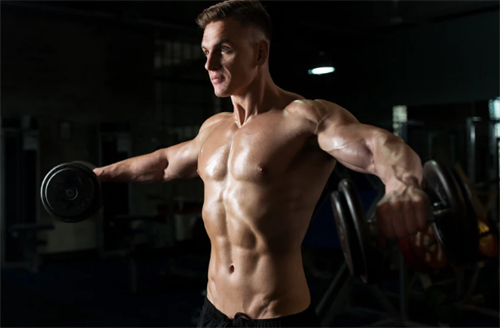
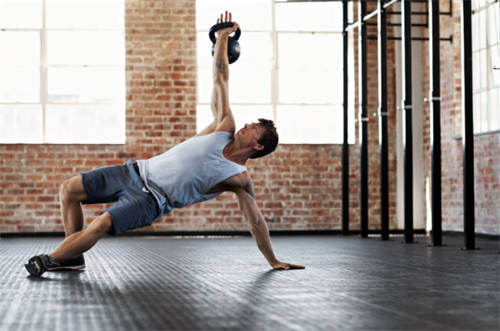
When people hear the phrase “tighten your core,” many immediately think of flexing their abs like they’re showing off a six-pack in the mirror. While that might look impressive, it’s not what coaches really mean when they talk about bracing. True core tightening is less about “ab-extraction” and more about building a solid wall of pressure around your midsection. This pressure doesn’t just protect your spine—it also makes you stronger, more stable, and more efficient in nearly every exercise.
What Core Tightening Really Means?
Your core is more than just the front of your abs. It includes your obliques, transverse abdominis (the deep layer under the visible abs), diaphragm, pelvic floor, and even your lower back muscles. Together, they create a 360-degree cylinder around your torso.
When you “brace,” you’re not just squeezing your abs like you’re taking a photo on the beach. You’re inflating and tightening that entire cylinder to create intra-abdominal pressure—a cushion of stability for your spine. Think of it like inflating a balloon inside your belly and then tightening your muscles around it to lock it in place.
Why It Matters?
-Spinal Protection: Heavy lifts like squats and deadlifts put your spine under load. Abdominal pressure acts like an internal weight belt, keeping your back safe.
-Strength Transfer: A loose core is like a leaky hose—you lose power. Bracing channels force from your legs and hips through your torso into the barbell or movement.
-Balance and Stability: Even in everyday activities—carrying groceries, climbing stairs, or standing up from a chair—bracing prevents wobbling and reduces strain.
Common Misunderstandings:
Mistake 1: Just Flexing the Abs
Flexing your abs like you’re preparing for a punch only works the front, leaving your sides and back unsupported.
Mistake 2: Sucking the Belly In
Many people are told to “pull your belly button toward your spine.” This actually weakens your brace by reducing the space for pressure.
Mistake 3: Forgetting to Breathe
Holding your breath until you turn purple isn’t the goal. Breathing and bracing must work together.
How to Create Abdominal Pressure Properly?
1. Start with a Deep Breath
Stand tall and breathe in through your nose, letting your belly expand. Don’t just lift your chest—push the air downward into your diaphragm.
2. Expand in All Directions
As you inhale, imagine your torso pushing outward in 360 degrees—front, sides, and back. Your belt (or waistband) should feel pressure evenly around.
3. Tighten the Cylinder
Now, contract your abdominal and lower back muscles to lock that pressure in place. You’re not hollowing out your stomach, you’re reinforcing it.
4. Maintain Under Load
As you squat, deadlift, or press, keep that pressure until the hardest part of the lift is over. Then exhale slowly while maintaining tension.
Practicing the Brace:
You don’t need a heavy barbell to learn this. Try these drills:
1. Wall Push Drill
Stand with your back against a wall, take a deep breath, and press your lower back flat into it while expanding your belly.
2. Belt Test
Wear a lifting belt (or even a snug strap) and try to push your abs outward against it on all sides.
3. Farmer’s Carries
Holding weights at your sides, brace your core and walk. The load forces you to stay tight and stable.
Breathing with Pressure:
Advanced lifters sometimes use the Valsalva maneuver—holding their breath while bracing—to lift maximal loads. This builds even stronger pressure but should be used carefully and only for short efforts. For most people, the safer approach is to exhale slowly through pursed lips while maintaining core tightness. This way, you don’t lose all your pressure but you also don’t feel like you’re going to burst.
Mastering abdominal pressure isn’t about flexing your abs in the mirror—it’s about building a shield of stability that protects you and makes you stronger. Whether you’re lifting heavy weights, sprinting, or just picking up a box at home, proper bracing ensures your body moves as one solid unit.
Recommend:

The Rise of Female Power: Say Goodbye to “Skinny Beauty,” Embrace Muscular Lines

Exploring New Fitness Communities: The Appeal of CrossFit, Yoga Communities, and Running Groups
Stair Climber, Elliptical Trainer, Spin Bike: Which Cardio Equipment Is Best for You?
Core Tightening Isn’t Ab-Extraction: Truly Mastering the Establishment of Abdominal Pressure