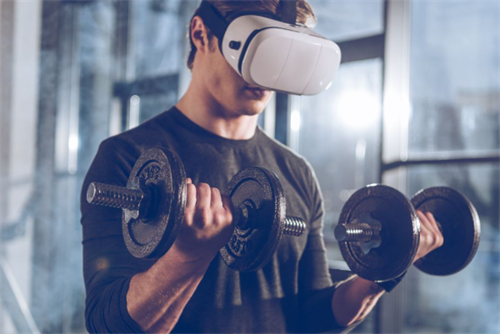
If you’ve ever wished your workout felt more like play and less like a chore, virtual reality (VR) fitness might be the game-changer you’ve been waiting for. With a headset on, you’re no longer in your living room—you’re in a boxing ring, climbing mountains, or dodging neon obstacles. But as exciting as it sounds, the question remains: is VR fitness the future of exercise, or just another passing trend?
The Rise of VR Fitness:
Over the last few years, VR has moved far beyond the world of gaming. Fitness apps like Supernatural, FitXR, and Beat Saber have gained loyal followings by blending entertainment with structured workouts. Instead of counting reps, you’re smashing glowing targets to the rhythm of your favorite music or defending yourself in a fast-paced boxing match.
This gamification of exercise taps into something powerful: it makes workouts enjoyable. When you’re immersed in a virtual world, time seems to fly, and suddenly a 30-minute session doesn’t feel like a workout at all.
Why VR Fitness Works?
At its core, VR fitness solves one of the biggest problems in health and exercise: motivation. Many people know they should be moving more, but traditional workouts can feel repetitive or intimidating. VR flips that script by making exercise feel like play.
Here are some of the main benefits:
-Engagement: The immersive visuals and soundtracks keep your brain occupied, making physical effort feel secondary.
-Accessibility: You don’t need a gym membership. All you need is a headset and some space to move.
-Progress Tracking: Most VR apps log your calories burned, heart rate, and progress over time, giving you tangible results.
-Variety: From dance to boxing to meditation, the options keep boredom at bay.
For beginners or people who dislike gyms, VR can be a low-pressure way to ease into regular movement.
The Limitations:
Of course, VR fitness isn’t perfect. The equipment cost is the first hurdle. A quality VR headset can be pricey, and some apps require subscriptions on top of that. Then there’s the space issue—swinging wildly in a cramped apartment could end badly for your coffee table.
Another drawback is limited training scope. VR is great for cardio, agility, and even balance, but it can’t fully replace strength training. Lifting weights or doing resistance-based exercises still requires physical equipment.
And let’s not forget motion sickness. While not everyone experiences it, some people find longer VR sessions uncomfortable.
Is It Just a Trend?
Skeptics argue that VR fitness is just another fitness fad, like shake weights or ab belts. But there’s reason to believe it’s more than that. The fitness industry has been moving toward personalization and fun for years—think Peloton, dance-based apps, and interactive mirrors. VR is simply the next step, merging tech, entertainment, and exercise in a way that feels natural for today’s digital lifestyles.
In fact, as headsets become lighter, cheaper, and more mainstream, VR workouts could become as common as streaming a workout video. The combination of social interaction, gaming, and fitness is a strong formula for long-term appeal.
How to Make the Most of VR Fitness?
If you’re curious about trying VR workouts, here are a few tips:
Start Small: Begin with shorter sessions (10–20 minutes) to see how your body reacts.
Mix It Up: Use VR as a supplement, not a replacement. Pair it with bodyweight training, strength work, or outdoor activity.
Prioritize Safety: Clear your workout space of obstacles and make sure you have good ventilation—VR workouts can get sweaty fast.
Choose Wisely: Experiment with different apps to find ones that match your fitness goals, whether it’s cardio, rhythm-based movement, or mindfulness.
VR fitness may not replace traditional exercise entirely, but it’s carving out a unique space in the fitness world. For people who struggle with motivation, gamified workouts could be the gateway to a healthier lifestyle. For others, it’s a fun supplement that makes training less of a grind.
Recommend:
The New Wave of Outdoor Fitness: Park Exercises, Hiking and Trail Running
Small Space, Big Impact: 5 Essential Mini Fitness Equipment for Home Use
Home vs Gym: How to Choose Your First Treadmill?
Stair Climber, Elliptical Trainer, Spin Bike: Which Cardio Equipment Is Best for You?