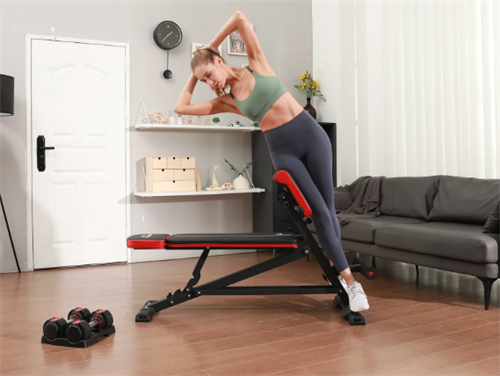
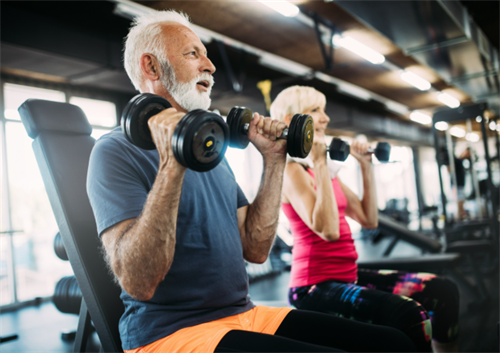
For years, the idea of seniors lifting weights seemed unusual. Many associated strength training with young athletes or bodybuilders, while older adults were encouraged to stick to light walks or gentle stretching. But times are changing. Across gyms, community centers, and even home garages, seniors are embracing weightlifting as a powerful way to stay strong, independent, and healthy.
Why Strength Training Matters for Seniors?
As we age, our bodies naturally lose muscle mass—a process called sarcopenia. This decline can make everyday activities like climbing stairs, carrying groceries, or even standing from a chair more difficult.With regular strength training, this decline can be slowed and sometimes even turned around.
Benefits of weightlifting for seniors include:
Improved strength and mobility: Lifting weights strengthens muscles and joints, making daily life easier.
-Better bone health: Resistance training increases bone density, reducing the risk of osteoporosis and fractures.
-Enhanced balance and stability: Stronger muscles help prevent falls, one of the most common concerns for seniors.
-Boosted metabolism: More muscle mass means burning more calories, even at rest.
-Mental well-being: Exercise releases endorphins, combats stress, and can reduce symptoms of depression or anxiety.
Far from being risky, weightlifting—when done correctly—offers one of the most effective ways for seniors to maintain quality of life.
Breaking the Myths:
One reason strength training wasn’t popular among seniors in the past is due to persistent myths. Some feared it was unsafe, too strenuous, or unnecessary at their age. Today, research and real-world examples prove otherwise. Seniors don’t need to lift heavy barbells like professional athletes. Even light weights, resistance bands, or bodyweight exercises can provide significant benefits when performed consistently.
A common misconception is that starting later in life won’t make a difference.The truth? It’s never too late. Studies show seniors in their 70s, 80s, and even 90s can gain muscle and strength with regular resistance training. Progress might be slower than in younger years, but the results are still meaningful.
How Seniors Can Get Started?
1. Consult a professional: Before beginning, it’s wise to check with a doctor and, if possible, work with a certified trainer experienced in senior fitness.
2. Begin with basics: Focus on bodyweight movements like squats, push-ups against a wall, or seated leg extensions. Gradually add light dumbbells or resistance bands.
3. Prioritize form over weight: Proper technique prevents injuries and ensures the right muscles are targeted. Seniors should focus on slow, controlled movements.
4. Include balance and flexibility: Pair weightlifting with stretching, yoga, or tai chi to enhance mobility and coordination.
5. Progress gradually: Increase resistance little by little. The goal isn’t to lift the heaviest weights but to challenge the body enough to stimulate strength gains.
The Lifestyle Aspect:
For many seniors, weightlifting becomes more than just a workout—it’s a lifestyle. Training sessions provide structure to the week, create social opportunities, and deliver a sense of accomplishment. Gyms and community programs often offer senior-friendly classes, turning fitness into a supportive social experience.
At home, a small set of dumbbells or resistance bands can transform a living room into a training space. Some seniors even take pride in tracking their progress, celebrating milestones such as lifting heavier weights or completing more repetitions than before.
The growing popularity of weightlifting among seniors marks an important cultural shift. Aging no longer means slowing down—it means staying strong, capable, and confident.By embracing resistance training, seniors can protect their independence, improve their health, and enjoy life with greater energy.
Recommend:
Stair Climber, Elliptical Trainer, Spin Bike: Which Cardio Equipment Is Best for You?
Wrist Wraps, Knee Supports, and Resistance Bands: When Are They Really Necessary?
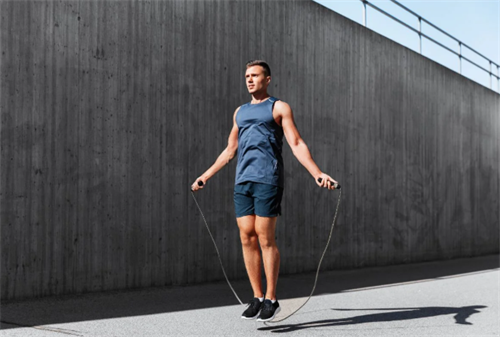
Not-to-be-Missed Small Equipment: Jump Rope, Battle Rope and Medicine Ball Training Secrets
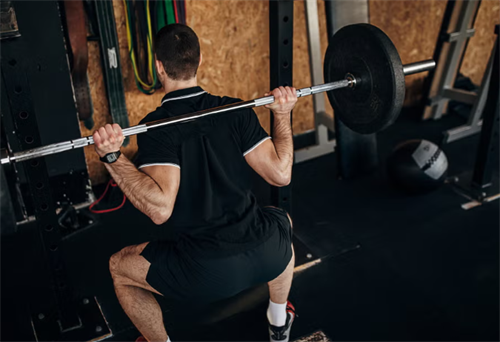
Building Strong Legs: The Technical Differences Between High-Bar and Low-Bar Squats