
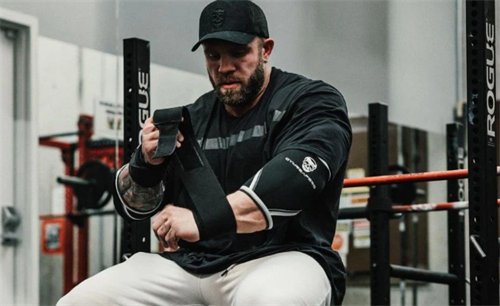
Walk into any gym, and you’ll notice people wearing all kinds of gear—wrist wraps, knee sleeves, compression supports, and resistance bands. Some swear by them, while others see them as optional accessories. So when are these tools actually necessary, and when are they just extra clutter? Understanding their purpose can help you decide what’s worth your investment—and what you can safely skip.
Wrist Wraps: Stability for Heavy Lifts
Wrist wraps are elastic bands that wrap around your wrists to provide extra support during lifts. They’re most commonly used in bench presses, overhead presses, and other movements that put a lot of strain on the wrists.
1. When they’re necessary
-Heavy lifting: If you’re pressing heavy weights near your maximum, wrist wraps help stabilize the joint and prevent hyperextension.
-Joint discomfort: Some people naturally have weaker wrists or a history of wrist pain. Wraps can provide added support during pressing or pushing movements.
2. When they’re optional
For moderate weights or bodyweight exercises, wrist wraps usually aren’t needed. Over-reliance can prevent your wrists from naturally strengthening over time.
Pro tip: Use wraps as a tool, not a crutch. Build wrist strength through mobility exercises, push-ups, and light pressing before depending on them for every session.
Knee Supports: Protecting or Assisting?
Knee sleeves or supports are typically made from neoprene or elastic material, providing warmth, compression, and some stability around the knee joint. They are widely used in squats, lunges, and other lower-body lifts.
1. When they’re necessary
Heavier squats or deadlifts: Compression can enhance proprioception (your awareness of joint position) and give extra confidence when lifting heavy.
Pre-existing knee issues: Mild discomfort or a previous injury may benefit from the warmth and support of a sleeve.
2. When they’re optional
If you’re healthy and lifting moderate weights, knee sleeves are mostly unnecessary. Proper technique and gradual progression usually provide enough joint protection.
Pro tip: Don’t rely solely on sleeves to prevent injury. Strengthen the muscles around your knees—quads, hamstrings, and glutes—because strong muscles are the best natural support for your joints.
Resistance Bands: More Than Just a Stretch
Resistance bands are versatile tools that can assist or challenge your workouts, depending on how you use them. They’re often lightweight, portable, and affordable, but they can serve very different purposes.
1. When they’re necessary
Assisted movements: Bands can help with pull-ups, dips, or other exercises where you need a little extra lift.
Warm-ups and mobility work: Bands are excellent for activating muscles before a workout or for stretching.
Adding resistance without heavy weights: For beginners or people working from home, bands provide progressive overload without a full gym setup.
2. When they’re optional
If you already have free weights or machines that provide enough challenge, bands may not be strictly necessary—but they’re still useful for variety and mobility.
Pro tip: Don’t underestimate bands—they can strengthen stabilizing muscles and improve joint health, even for experienced lifters.
Making Smart Decisions:
Not every piece of supportive gear is essential for everyone. Here’s a simple rule of thumb:
-Assess your goals: Heavy lifters and athletes may benefit more from wraps and sleeves. Casual fitness enthusiasts often don’t need them.
-Check your history: Past injuries, joint pain, or mobility limitations may make gear a useful tool.
-Prioritize natural strength: Use supportive gear to complement your training, not replace it. Strong joints, proper form, and controlled progression remain the best defenses against injury.
-Choose quality over quantity: A single reliable wrist wrap, knee sleeve, or band is better than having multiple low-quality items cluttering your space.
Wrist wraps, knee supports, and resistance bands can be valuable allies when used correctly—but they aren’t magic solutions. Gear is most effective when it complements proper form, consistent training, and joint health. By understanding when each is truly necessary, you can save money, reduce unnecessary bulk, and train smarter.
Recommend:
Stair Climber, Elliptical Trainer, Spin Bike: Which Cardio Equipment Is Best for You?
Yoga and Jiu-Jitsu: Why Strength Trainers Must Prioritize Flexibility?
Second-hand Fitness Equipment Purchase Guide: Save Money and Stay Safe

Virtual Reality (VR) Fitness: Is Gamified Exercise the Answer to the Future?