Building a home gym doesn’t have to drain your bank account. In fact, buying second-hand fitness equipment is one of the smartest ways to save money while still getting quality gear. Treadmills, dumbbells, stationary bikes, and even weight benches often show up on the resale market for a fraction of their original price. The trick is knowing what’s worth buying, what to avoid, and how to make sure your purchase is safe and reliable.Here’s a practical guide to help you shop confidently.
Why Buy Second-hand Fitness Equipment?
The main reason is obvious—cost savings. Gym equipment depreciates quickly, much like cars. A treadmill that cost $1,200 new might sell for $300–$400 after just a couple of years, even if it’s lightly used.
Another benefit is availability. Many people buy ambitious home gym setups during health kicks, only to sell them later when they stop using them. That means you can often find gear in nearly new condition at a steep discount.
Lastly, there’s an eco-friendly angle. Buying second-hand keeps equipment out of landfills and reduces demand for new manufacturing.
What to Buy Used (and What to Avoid)?
Not all equipment is created equal. Some items are great candidates for second-hand purchases, while others are better bought new.
1. Good bets for second-hand:
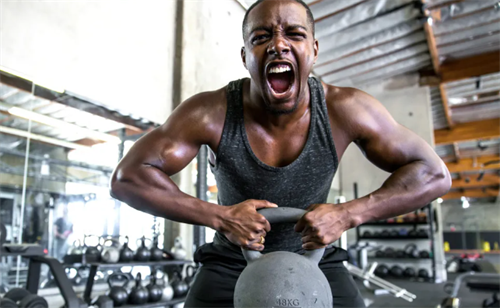
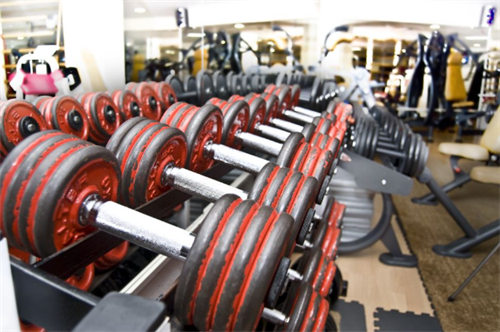
-Free weights (dumbbells, barbells, kettlebells): Durable and hard to damage.
-Weight plates and racks: Simple, sturdy, and long-lasting.
-Resistance bands (if lightly used): Just check for cracks or fraying.
-Cardio machines (treadmills, bikes, ellipticals): Can be excellent if well-maintained.
-Medicine balls and stability balls: Often sold in good condition.
2. Caution or avoid:
Wearable items (yoga mats, gloves): Better to buy new for hygiene.
High-tech equipment (smart treadmills, connected rowers): Repairs can be expensive if something goes wrong.
Old machines with missing safety features: Not worth the risk.
Key Safety and Quality Checks:
When inspecting second-hand fitness equipment, don’t just go by looks. Here are some things to check:
1. Structural integrity
Look for cracks, rust, or bent frames.
Test stability by moving or lightly shaking the equipment.
2. Mechanical parts
For treadmills: Test the belt for smooth movement and listen for grinding noises.
For spin bikes or ellipticals: Make sure resistance changes smoothly.
3. Electronics
Plug in any machine with a screen or motor. Check that all buttons, programs, and displays work.
4. Safety features
Ensure emergency stop cords, locks, and stabilizers are present and functional.
5. Wear and tear
Some cosmetic wear is fine, but avoid equipment with significant rust, broken parts, or exposed wires.
Tips for a Smart Purchase:
-Research prices: Check the original retail cost and typical resale value to avoid overpaying.
-Test in person: Whenever possible, try the machine before you buy. A short workout can reveal issues you won’t see in photos.
-Negotiate politely: Sellers often expect some bargaining, especially if you’re picking up heavy equipment yourself.
-Ask about history: A machine used lightly in a home is usually better than one retired from a commercial gym.
-Plan for transport: Some machines are bulky. Make sure you have the right vehicle or help for moving it safely.
Second-hand fitness equipment can be a game-changer if you’re building a home gym on a budget. By focusing on durable items like weights and carefully inspecting cardio machines, you can save hundreds—sometimes thousands—of dollars without sacrificing safety or performance.
The key is to shop smart: check condition, prioritize safety, and don’t rush into a deal just because it looks cheap.
Recommend:
Isolation Training vs. Compound Training: How to Arrange Your Movement Sequences?
Stair Climber, Elliptical Trainer, Spin Bike: Which Cardio Equipment Is Best for You?
Senior Fitness: The “Weightlifting” Lifestyle of the Senior Generation is Becoming Popular
Yoga and Jiu-Jitsu: Why Strength Trainers Must Prioritize Flexibility?