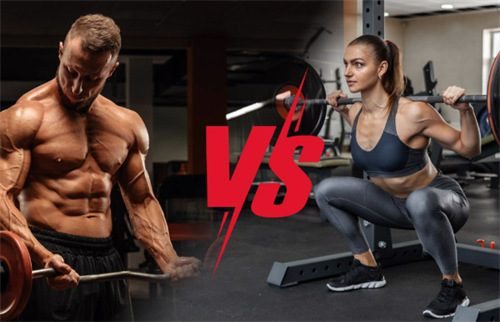
Walk into any gym and you’ll see two types of exercises being performed. Some people are pressing, squatting, or pulling heavy weights that involve their whole body, while others are working on biceps curls, triceps pushdowns, or leg extensions with laser-like focus. These two categories—compound training and isolation training—are both valuable. The real question is how to arrange them in your workout for the best results.
Compound Movements: The Foundation
Compound exercises are multi-joint movements that recruit several muscle groups at once. Think squats, deadlifts, bench presses, pull-ups, and rows. They allow you to lift heavier weights and stimulate a large amount of muscle mass in a single effort.
Why they matter:
They build overall strength quickly.
They train your body in movement patterns you use in real life, like lifting, pushing, or pulling.
They provide the most “bang for your buck” if you have limited time.
Because they demand the most energy and coordination, compound lifts usually come first in a workout. Starting fresh ensures good form and maximum strength output.
Isolation Movements: The Finishing Touch
Isolation exercises target a single muscle group with one joint moving at a time. Examples include biceps curls, calf raises, leg extensions, and lateral raises. These moves don’t let you handle as much weight, but they allow you to focus directly on weak points or muscles you want to develop.
Why they matter:
They improve muscle balance by targeting lagging areas.
They add definition and shape once you’ve built a base of strength.
They provide extra volume without overstressing your joints.
Because isolation work is less demanding, it’s typically placed after your compound lifts—almost like accessory work.
The General Rule: Big Before Small
-A simple principle to follow is: do compound exercises before isolation exercises. Here’s why:
-Energy Priority: Compounds require the most strength, stability, and focus. You don’t want to fatigue your smaller muscles with curls before tackling heavy rows.
-Safety: Performing a squat after exhausting your quads on leg extensions could compromise your form and increase injury risk.
-Efficiency: Compound lifts train multiple muscles at once, making them the cornerstone of your workout. Isolation moves then fine-tune the details.
When to Break the Rule?
Like all training guidelines, there are exceptions:
Pre-Exhaust Method: Sometimes, you might intentionally do an isolation exercise first to fatigue a target muscle before a compound lift. For example, leg extensions before squats can make your quads work harder during the squat. This is advanced, so use it sparingly.
Rehabilitation or Corrective Training: If you have a muscle imbalance or weakness, starting with isolation may help activate and strengthen it before moving to bigger lifts.
Bodybuilding Focus: Competitive bodybuilders may rearrange sequences to emphasize specific muscles that need more attention.
Sample Sequences:
Upper Body Push Day
-Bench Press (compound)
-Overhead Press (compound)
-Dumbbell Flyes (isolation for chest)
-Triceps Pushdowns (isolation for triceps)
Lower Body Day:
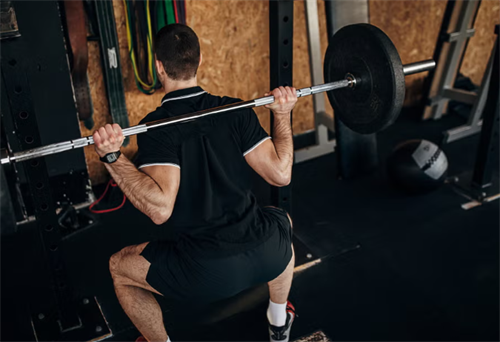
-Squats (compound)
-Romanian Deadlifts (compound)
-Leg Curls (isolation for hamstrings)
-Calf Raises (isolation for calves)
This balance ensures strength comes first, followed by detailed muscle work.
Both compound and isolation exercises play a role in effective training. Compounds build the foundation of strength and muscle mass, while isolations polish the details and bring balance. In most cases, you’ll want to place compound lifts first in your workout when your energy and focus are highest, then use isolation work as accessories.
But remember—there’s no one “perfect” sequence. The best arrangement depends on your goals, experience, and even how your body feels on a given day. Start with the general rule of big before small, then experiment with advanced methods when you’re ready.When you learn to arrange your movement sequences with intention, you’ll not only train smarter but also see faster, safer, and more satisfying results.
Recommend:
Core Tightening Isn’t Ab-Extraction: Truly Mastering the Establishment of Abdominal Pressure
Second-hand Fitness Equipment Purchase Guide: Save Money and Stay Safe
Building Strong Legs: The Technical Differences Between High-Bar and Low-Bar Squats
When Should You Breathe In or Breathe Out When Exercising?