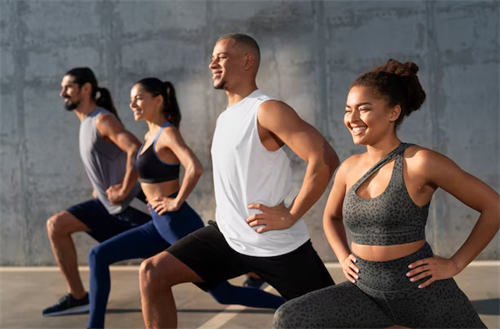
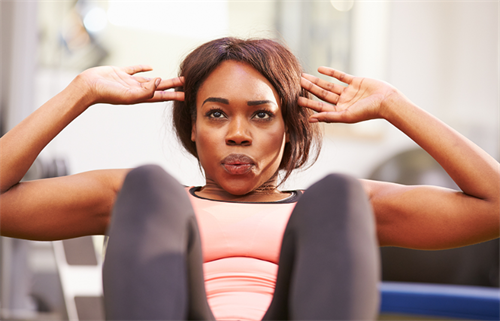
The way you breathe during exercise influences your strength, endurance, and even your ability to recover. Many beginners—and even some seasoned lifters—either hold their breath too long or breathe at the wrong times.
Why Breathing Matters?
Breathing isn’t just about oxygen. It also plays a crucial role in stabilizing your body. When you exhale, your core muscles engage more effectively, giving your spine support. When you inhale, you prepare your body with fresh oxygen for the next effort. If your breathing is out of sync with your movement, you might fatigue faster, lose balance, or even increase your risk of injury.
Think of breathing as your body’s natural rhythm. Matching it with your exercises makes everything feel smoother and stronger.
The General Rule: Exhale on Effort
A simple rule you can apply to almost any exercise is this: exhale during the hard part, inhale during the easy part.
Lifting a weight? Breathe out as you push or pull, breathe in as you return.
Doing bodyweight exercises? Exhale as you push against gravity, inhale as you lower yourself down.
Running or cycling? Exhale on exertion phases, like pushing off the ground or powering through a pedal stroke, then inhale as you reset.
This principle works because exhaling naturally tightens your core, which gives you better stability and strength when you need it most.
Squats and Deadlifts: Power Moves
For heavy compound lifts like squats and deadlifts, breathing becomes even more important. Many lifters use a technique called the Valsalva maneuver, where you take a deep breath, hold it briefly, and then exhale during the sticking point of the lift. This creates strong intra-abdominal pressure that supports your spine.
However, this technique should be used carefully. If you’re new to lifting, start by simply inhaling as you lower the weight and exhaling as you push up. As you gain experience and start handling heavier loads, you can experiment with holding your breath briefly for stability—just don’t forget to exhale once the hardest part is over.
Bench Press and Overhead Press: Control is Key
When pressing weights, whether on a bench or overhead, people often hold their breath for too long. This can cause dizziness and throw off your form.
Inhale as you lower the bar or dumbbells.
Exhale as you press the weight up.
This rhythm keeps your movements controlled and your muscles supplied with oxygen. If you’re lifting especially heavy, you might again use a short breath hold for extra stability, but always release during the effort.
Cardio Training: Find Your Rhythm
With cardio, breathing takes on a different rhythm. You don’t need to think about inhaling and exhaling for every single stride or pedal stroke, but syncing your breath with your movement helps.
For example:
-Running: Try a 2:2 rhythm—inhale for two steps, exhale for two steps. As intensity rises, you might switch to a 2:1 rhythm (inhale for two, exhale for one).
-Cycling or rowing: Match your breathing to your power strokes. Inhale during the easier phase, exhale as you push harder.
The main goal is to avoid shallow, rapid breaths. Deep, rhythmic breathing fuels your muscles better and helps you last longer.
Common Mistakes to Avoid:
Holding Your Breath Too Long – This spikes blood pressure and can leave you lightheaded. Unless you’re intentionally using the Valsalva maneuver, always keep your breath flowing.
Shallow Breathing – Breathing only into your chest limits oxygen intake. Practice deep belly breathing that expands your diaphragm.
Overthinking It – Breathing should support your movement, not distract from it. Once you practice the basics, let it flow naturally.
Breathing may feel automatic, but in exercise it’s a skill worth mastering. Exhale during effort, inhale during recovery—that’s the core rule. For heavy lifts, use controlled breath holds when needed, but always release tension at the right time. For cardio, sync your breath with your stride or stroke for smoother endurance.
Recommend:

Exploring New Fitness Communities: The Appeal of CrossFit, Yoga Communities, and Running Groups
How to Train Your Chest Without Making Your Hands Thick?
Creating the Perfect Inverted Triangle: A Comprehensive Analysis of the Gold Standard Exercises for the Latissimus Dorsi
Stair Climber, Elliptical Trainer, Spin Bike: Which Cardio Equipment Is Best for You?