
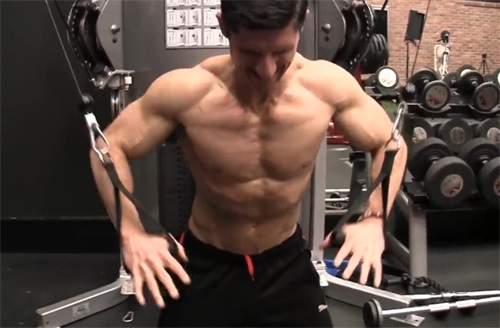
For many lifters, the bench press is the go-to move for building a powerful chest. But here’s the catch: not everyone feels it in their chest. Some end up pumping their shoulders or even their arms more than their pecs. Over time, this can make the shoulders and triceps grow faster than the chest—leading to imbalances, frustration, and sometimes even discomfort. So, how do you ensure that your bench press actually targets the chest the way it should? The answer lies in learning how to control shoulder involvement.
Why Shoulders Take Over?
The bench press isn’t just a chest exercise. It’s a compound movement that also involves the shoulders and triceps. If your setup or form is slightly off, the front deltoids (the front part of your shoulders) can dominate the lift. This usually happens because of one or more of the following reasons:
1. Elbow Positioning: If your elbows flare too wide, your shoulders take on more stress.
2. Lack of Scapular Control: Without stabilizing your shoulder blades, the shoulders roll forward and steal tension from the chest.
3. Grip Choice: An overly narrow grip tends to recruit more triceps, while a super-wide grip can overload the shoulders.
4. Poor Mind-Muscle Connection: If you aren’t consciously engaging your chest, other muscles will naturally step in.
The Key: Scapular Retraction and Stability
The first step to keeping the shoulders in check is proper setup. Before you even unrack the bar:
Pin your shoulder blades together and down—almost like you’re trying to tuck them into your back pockets. This creates a stable platform and opens up the chest.
Keep your chest lifted throughout the movement. Think of pushing your sternum toward the bar.
Maintain this tightness during every rep. If your shoulders roll forward, you’ll lose chest activation instantly.
This scapular control isn’t just about muscle targeting—it’s also about protecting your shoulders from injury.
Fine-Tuning Your Elbows and Grip:
Your elbows are the steering wheel of the bench press. If they flare out at 90 degrees, the shoulders carry the load. Instead, keep them at about a 45-degree angle relative to your torso. This positioning lines up the chest fibers more effectively and reduces unnecessary shoulder stress.
Grip also matters. A grip that’s too narrow emphasizes triceps, while an overly wide grip can irritate the shoulders. For most people, a shoulder-width to slightly wider grip works best. Test different positions to find the sweet spot where your chest does the bulk of the work.
Use Tempo and Control:
Many lifters rush their bench press, letting momentum and secondary muscles take over. To truly engage your chest:
Lower the bar slowly (about 2–3 seconds). This increases time under tension and forces your chest to control the descent.
Pause briefly just above your chest to eliminate bouncing.
Press up with intent, imagining you’re pushing the weight with your pecs rather than just extending your arms.
This mindful pacing shifts focus to the chest and reduces shoulder dominance.
Accessory Work for Better Activation:
Sometimes, the issue isn’t just technique—it’s also muscle awareness. Adding specific exercises can help you learn how to “find” your chest in pressing movements.
1. Dumbbell Flyes: Teach you to feel the stretch and contraction of the chest without much shoulder involvement.
2. Cable Crossovers: Provide constant tension and reinforce chest engagement.
3. Push-Ups with a Squeeze: Place hands on the floor and actively push them toward each other (even though they don’t move) to fire up the pecs.
Strengthening your back muscles—like the lats and rhomboids—also improves scapular control, indirectly helping the chest take center stage.
The bench press is a chest builder, but only if you do it with intention. Shoulders and arms will always play a role, but by mastering scapular stability, fine-tuning elbow and grip positioning, and moving with control, you can ensure your chest carries the load.
Recommend:

Foam Rollers and Myofascial Guns: How to “Feel the Pain and Enjoy It” Scientifically?

Listen to Your Body: Intuitive Training Is Replacing Rigid Plans

Core Tightening Isn’t Ab-Extraction: Truly Mastering the Establishment of Abdominal Pressure
Second-hand Fitness Equipment Purchase Guide: Save Money and Stay Safe