
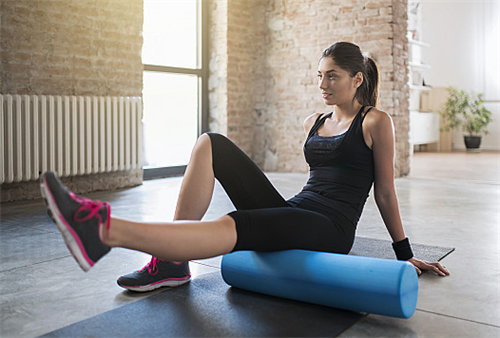
If you’ve ever finished a tough workout and felt your muscles tighten up like steel cables, you know recovery is just as important as the workout itself. Enter foam rollers and myofascial massage guns—two tools that athletes, weekend warriors, and even desk workers now rely on to release tension and improve recovery.
They may not feel pleasant at first (that “hurts so good” sensation is very real), but when used correctly, they can help reduce stiffness, improve flexibility, and even make your next workout feel smoother. The trick is understanding how they work, why they cause discomfort, and how to use them safely.
Why Muscle Release Feels Painful Yet Beneficial?
To understand why foam rolling and massage guns sometimes feel uncomfortable, we need to talk about fascia. Fascia is the thin connective tissue that surrounds muscles, keeping everything in place and helping muscles glide smoothly during movement.
When you exercise intensely, sit too long, or move repetitively, your fascia can tighten or form “knots.” These adhesions restrict movement, reduce blood flow, and contribute to that stiff, sore feeling. Applying pressure with a roller or massage gun temporarily irritates the area, but it also:
Increases blood flow, delivering oxygen and nutrients to tired muscles.
Stimulates nerve receptors, which can help reset muscle tension.
Breaks up adhesions, restoring smoother movement.
That’s why the discomfort is often followed by relief—it’s your body releasing built-up tension.
Foam Rollers: The Do-It-Yourself Therapist
Foam rollers are long, cylinder-shaped tools that come in various densities. Softer rollers are gentler and great for beginners, while firmer or textured rollers provide deeper pressure.
Best for: Large muscle groups like quads, hamstrings, glutes, and back.
How to use them:
Place the roller under the muscle you want to target.
Slowly roll back and forth, about one inch per second.
When you hit a tender spot, pause and hold for 20–30 seconds.
Consistency matters more than intensity. Rolling for just 5–10 minutes after a workout or at the end of the day can dramatically improve mobility and reduce soreness.
Pro tip: Don’t roll directly over joints or bones, and avoid pressing too hard. Foam rolling should feel uncomfortable but never unbearable.
Myofascial Massage Guns: High-Tech Recovery
Massage guns use rapid pulses to target muscles with percussive therapy. They’re handheld, portable, and come with different attachments to customize pressure and depth.
Best for: Pinpointed muscle relief, warm-ups before workouts, and quick recovery afterward.
How to use them:
Turn on the device and start with the lowest setting.
Gently place the head against the muscle (don’t press too hard).
Glide slowly across the area for 1–2 minutes.
Massage guns are particularly effective for warming up before a workout, since they stimulate blood flow without fatiguing muscles. Post-exercise, they help flush out metabolic waste and ease soreness.
Pro tip: Stick to soft tissue only, and avoid areas like the neck, spine, or directly over joints.
Foam Roller vs Massage Gun: Which Should You Choose?
Both tools serve a similar purpose, but they excel in different scenarios:
Foam roller: Better for overall mobility, posture correction, and covering large muscle groups. Great if you sit a lot or want to improve flexibility.
Massage gun: Better for targeted relief, quick warm-ups, or when you don’t have much time. Ideal for athletes or those who want tech-driven precision.
Many people actually use both—rolling for general release and using the gun for fine-tuning specific sore spots.
How to “Enjoy the Pain” Safely?
The phrase “no pain, no gain” doesn’t apply here. The goal is controlled discomfort, not suffering. A good guideline is the 5–6 out of 10 rule: it should feel intense enough that you notice it, but not so painful that you tense up or hold your breath.
Pairing your rolling or massage session with slow, deep breathing helps your body relax and enhances recovery. Over time, you’ll start to associate the sensation not just with pain, but with relief and looseness afterward—that’s the part you can truly “enjoy.”
Foam rollers and myofascial guns may look simple, but they pack a powerful punch when it comes to recovery. By releasing fascia, boosting blood flow, and improving mobility, they help your body move more freely and recover more efficiently.
Recommend:
Fitness Challenge: 30 Days of Body Shaping, 75 Hard, Is It Motivation or Risk?
Second-hand Fitness Equipment Purchase Guide: Save Money and Stay Safe
Common Mistakes and Corrections for the Three Major Exercises: Squats, Bench Press, and Deadlifts
Building Strong Legs: The Technical Differences Between High-Bar and Low-Bar Squats