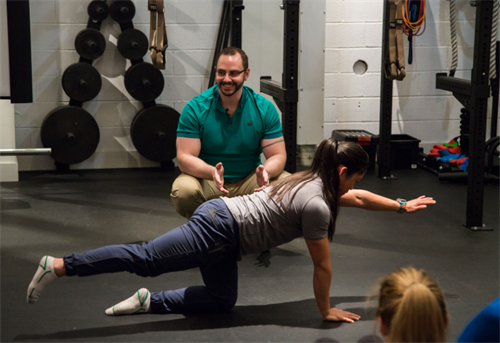

For decades, fitness culture has been built around strict workout schedules: “Leg day is Monday,” “cardio three times a week,” or “10,000 steps every day.” While structure can be helpful, it doesn’t always reflect how your body actually feels. In recent years, a new approach has started gaining ground—intuitive training. Instead of forcing yourself into rigid plans, this method encourages you to tune in, respond to your body’s signals, and train in a way that feels both sustainable and enjoyable.
What Is Intuitive Training?
At its core, intuitive training is about self-awareness. It’s the practice of listening to your energy levels, mood, and physical state before deciding how to move. Some days you may feel strong and ready for a heavy lifting session. Other days, a light yoga flow or a brisk walk might be exactly what your body needs.
This doesn’t mean skipping workouts whenever you feel a little lazy. Rather, it’s about learning to recognize the difference between true fatigue and simple resistance to exercise. Intuitive training asks you to move with intention, not obligation.
Why People Are Shifting Away from Rigid Plans?
Rigid workout plans can sometimes backfire. Here’s why many people are moving toward a more flexible approach:
-Avoiding Burnout: Pushing through fatigue, soreness, or stress often leads to injury or exhaustion. Intuitive training builds in natural recovery.
-Better Motivation: When your workouts align with how you feel, you’re more likely to look forward to them instead of dreading them.
-Long-Term Consistency: A plan that adapts to your lifestyle is easier to sustain than one that demands perfection every day.
The fitness world is finally recognizing that one-size-fits-all programs don’t suit every body—or every season of life.
The Science Behind It:
Intuitive training isn’t just a trend—it’s supported by sports science. Research shows that auto-regulation, a method where athletes adjust intensity based on daily readiness, can improve performance and reduce risk of overtraining. Your body’s signals—like heart rate variability, sleep quality, or even perceived exertion—are strong indicators of how hard you should push.
In other words, it’s not “skipping leg day.” It’s optimizing your training by respecting recovery and energy cycles.
How to Practice Intuitive Training?
If you’re curious about shifting to a more intuitive approach, here are some steps to guide you:
-Check In Daily: Before you start, ask yourself: How do I feel physically and mentally today? Rate your energy, soreness, and mood.
-Match Movement to Energy: If you feel energized, go for strength or high-intensity training. If you’re drained, choose lighter activity like stretching, mobility work, or walking.
-Respect Rest: Rest is not failure. Sometimes, recovery is the most productive thing you can do.
-Stay Consistent, Not Rigid: Aim for regular activity, but allow flexibility. Consistency comes from showing up in some form—not hitting the exact same numbers every week.
-Track Patterns: Keep notes on how different workouts feel. Over time, you’ll spot patterns between sleep, nutrition, stress, and performance.
Finding the Balance:
One concern with intuitive training is that it might be mistaken for doing less or avoiding effort. The truth is, discipline still matters. Intuitive training isn’t about skipping workouts whenever you don’t feel like it—it’s about making smarter choices based on your body’s feedback. Sometimes the intuitive choice will still be to push yourself outside your comfort zone.
Why This Approach Fits Today’s Lifestyle?
In a world where people juggle busy schedules, work stress, and constant demands, rigid plans often feel unrealistic. Intuitive training offers flexibility without abandoning structure altogether. It teaches you to be adaptable, resilient, and in tune with your body—skills that extend beyond fitness and into everyday life.
Intuitive training is not about abandoning goals or discipline. It’s about building a relationship with your body that’s rooted in respect, awareness, and balance. By learning when to push and when to pull back, you can avoid burnout, reduce injuries, and keep your workouts something you look forward to—not just another box to check.
Recommend:
Foam Rollers and Myofascial Guns: How to “Feel the Pain and Enjoy It” Scientifically?

Various Playstyles of the Resistance Band: From Warm-Up to Muscle Building – The All-Purpose Warrior

E-sports and Fitness: Do Game Experts Need Physical Training Too?

The Savior for Shoulder and Neck Pain: Strengthening the Rhomboid Muscles and Middle-Lower Trapezius Muscles