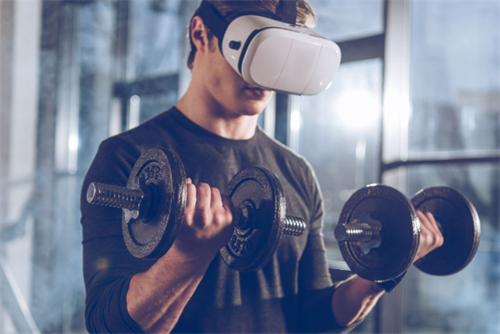
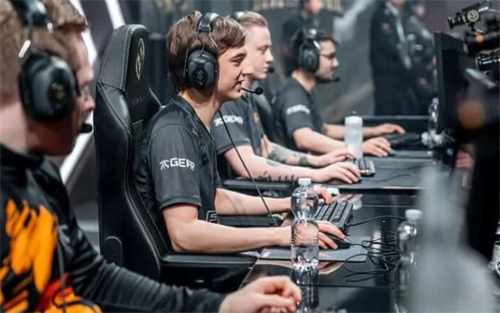
When most people think of e-sports, the image that comes to mind is a player hunched over a computer, eyes glued to the screen, fingers flying across the keyboard or controller. Physical fitness may not be the first thing you associate with competitive gaming, but experts are now recognizing that a strong body is just as important as a quick mind. The rise of professional e-sports has sparked a conversation about whether gamers need physical training—and the answer is a resounding yes.
Why Physical Fitness Matters for Gamers?
It’s easy to assume that e-sports is purely a mental endeavor, but the reality is more complex. Competitive gaming demands quick reflexes, sustained focus, and precise motor control. Physical health directly affects all of these.
Key benefits of fitness for gamers:
-Improved reaction time: Cardiovascular exercise increases blood flow and oxygen delivery to the brain, which helps sharpen reflexes.
-Enhanced endurance: Long gaming sessions can be mentally and physically exhausting. A strong cardiovascular system helps maintain focus and energy.
-Better posture and reduced injury: Hours spent sitting can lead to back, neck, and shoulder issues. Strengthening core and upper-body muscles helps prevent pain and repetitive strain injuries.
-Stress management: Physical activity reduces cortisol levels and boosts endorphins, helping gamers cope with the pressure of tournaments and competition.
Types of Physical Training for E-sports:
Gamers don’t need to train like professional athletes, but a targeted fitness routine can significantly enhance performance. Here’s what works:
1. Cardiovascular Exercise
Running, cycling, swimming, or even brisk walking improves heart and lung function. Just 20–30 minutes a few times a week can increase stamina and help maintain focus during marathon gaming sessions.
2. Strength Training
Strength isn’t about building massive muscles—it’s about stability and injury prevention. Focus on core exercises like planks, back extensions, and seated twists, along with shoulder, neck, and wrist strengthening. This helps maintain posture and reduces strain on joints during long hours of gameplay.
3. Flexibility and Mobility
Stretching, yoga, or dynamic mobility work can relieve tension in the shoulders, back, and wrists. Flexible muscles and joints not only prevent injury but also allow for quicker, smoother hand movements.
4. Eye and Hand Coordination Drills
While not traditional “fitness,” exercises that improve hand-eye coordination, reaction time, and fine motor control are crucial. Activities like juggling, reaction ball drills, or rhythm-based games can enhance gaming performance.
Integrating Fitness Without Losing Gaming Time:
Time management is key. Many professional gamers struggle to fit workouts into their schedules, especially during tournament seasons. The solution is short, targeted sessions:
-Micro workouts: 10–15 minutes of bodyweight exercises, stretching, or mobility work between gaming sessions.
-Active breaks: Stand up, stretch, or walk around every hour to prevent stiffness and fatigue.
-Weekend sessions: Longer cardio or strength workouts can be scheduled around tournaments or practice schedules.
Even small amounts of consistent physical activity can yield noticeable improvements in energy, focus, and resilience.
Changing the Culture of E-sports:
Professional e-sports organizations are increasingly prioritizing player health. Teams now employ fitness coaches, physiotherapists, and nutritionists to ensure players maintain both mental and physical peak performance. The shift acknowledges that gaming isn’t just a sedentary pastime—it’s a high-stakes, high-performance activity that demands holistic preparation.
E-sports may look like a purely cerebral pursuit, but physical fitness plays a critical role in enhancing performance and longevity. Improved cardiovascular health, strength, flexibility, and stress management all contribute to sharper reflexes, sustained focus, and injury prevention.
Gamers who invest in their bodies gain more than muscle or endurance—they gain consistency, resilience, and the mental clarity needed to perform under pressure. Physical training isn’t just a bonus for e-sports professionals; it’s becoming an essential component of competitive gaming success.
Recommend:
When Should You Breathe In or Breathe Out When Exercising?
Breaking Plateau: 5 Advanced Training Techniques You Must Try
Second-hand Fitness Equipment Purchase Guide: Save Money and Stay Safe
Fitness Bloggers, Online Fitness Coaches: How Social Media Has Changed Our Training?