A decade ago, the idea of learning about fitness often meant flipping through magazines, attending classes at the gym, or following a personal trainer in person. Today, social media has transformed the landscape entirely. Fitness bloggers, Instagram coaches, YouTube tutorials, and TikTok trainers have made knowledge, inspiration, and accountability accessible to anyone with a smartphone. But how has this digital wave changed the way we train—and should we fully embrace it?
The Rise of Fitness Influencers:
Fitness influencers are everywhere: sharing workout videos, meal plans, progress updates, and motivational quotes. For many, they serve as a virtual trainer, demonstrating proper form, explaining exercises, and offering encouragement at the click of a button.
Pros:
-Accessibility: No matter where you are, you can access professional guidance. This is especially useful for people without a local gym or expensive personal trainers.
-Variety: Social media exposes you to a huge range of workouts—from HIIT and yoga to strength training and functional fitness—so boredom is less likely to derail your routine.
-Community: Following a fitness blogger or coach often comes with a community of like-minded individuals who provide accountability, motivation, and support.
Cons:
Information overload: With so many opinions and techniques available, it’s easy to get confused or distracted. Not every trainer online is certified or credible.
Comparison trap: Constantly seeing curated images and progress posts can make you compare yourself to others, sometimes leading to frustration or unrealistic expectations.
Online Fitness Coaches: Personalized Guidance at Your Fingertips
While fitness bloggers provide inspiration, online fitness coaches take it a step further by offering structured programs and direct feedback. Many coaches now offer virtual one-on-one training, personalized meal plans, and weekly check-ins.
Advantages:
Tailored programs: Online coaches can create routines that fit your goals, limitations, and available equipment.
Flexibility: You can work out on your own schedule without commuting to a gym.
Cost-effective: Online coaching is often cheaper than traditional personal training, making professional guidance more accessible.
Challenges:
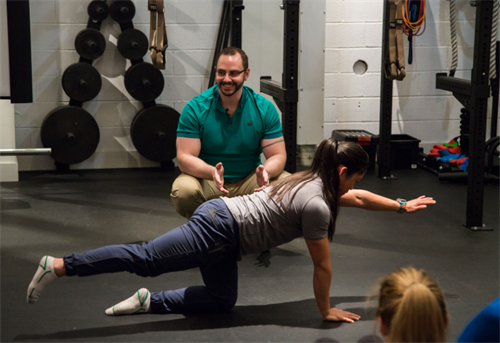
Limited hands-on correction: Coaches can’t physically adjust your posture or spot you during heavy lifts. Video feedback helps, but it’s not a perfect replacement for in-person supervision.
Accountability relies on self-discipline: Without the gym environment, motivation can wane if you’re not committed.
How Social Media Has Shifted Our Training?
The impact of online fitness extends beyond convenience—it has reshaped the mindset of how we approach workouts:
DIY mentality: More people are confident designing their own routines, following expert guidance without relying solely on gyms or personal trainers.
Emphasis on trends: Social media often highlights new exercises, challenges, or fitness trends, which can keep workouts fun but sometimes emphasizes novelty over fundamentals.
Knowledge sharing: From injury prevention to nutrition tips, fitness content is more transparent and accessible than ever before. People are learning the “why” behind movements, not just the “how.”
Community support: Virtual groups and hashtag challenges provide motivation that rivals in-person training partners.
Finding Balance in the Digital Age:
Social media is a powerful tool—but it works best when used thoughtfully. Here are some tips:
Verify credentials: Follow trainers and bloggers with proper certifications to ensure safe and accurate guidance.
Set realistic expectations: Remember that social media often shows highlights, not the full journey.
Use content selectively: Pick workouts, tips, and inspiration that align with your goals rather than trying to do everything you see.
Combine online and offline: If possible, complement virtual guidance with occasional in-person feedback to improve form and reduce injury risk.
Fitness bloggers and online coaches have revolutionized how we access information, inspiration, and support. Training has become more flexible, personalized, and community-driven than ever before. But like any tool, social media is most effective when used intentionally. By filtering information, setting realistic goals, and combining online guidance with self-awareness, you can harness the digital fitness era to transform not just your workouts—but your long-term relationship with health and movement.
Recommend:

How to Train Your Chest Without Making Your Hands Thick?

The Savior for Shoulder and Neck Pain: Strengthening the Rhomboid Muscles and Middle-Lower Trapezius Muscles

Various Playstyles of the Resistance Band: From Warm-Up to Muscle Building – The All-Purpose Warrior
Exploring New Fitness Communities: The Appeal of CrossFit, Yoga Communities, and Running Groups