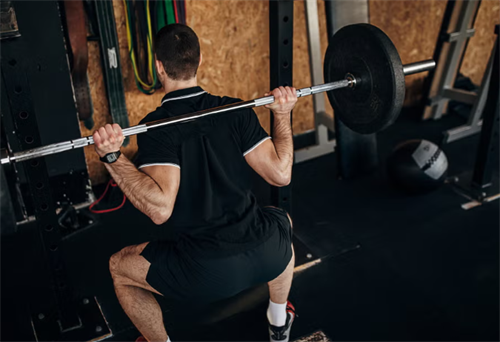

When it comes to home workouts or travel-friendly fitness tools, resistance bands deserve a standing ovation. They’re inexpensive, portable, and deceptively powerful. At first glance, a strip of rubber doesn’t seem like it could replace dumbbells or gym machines—but with the right approach, it absolutely can.
The magic of resistance bands lies in their versatility. They’re not limited to one type of workout; instead, they adapt to almost every stage of training. Whether you’re just waking up your muscles with a gentle warm-up or grinding out strength-focused sets, resistance bands can support your goals.
1. The Warm-Up Activator
Before you pick up heavy weights—or even before you head out for a run—resistance bands shine as activation tools. They gently engage muscles that often lie dormant, making sure your body is primed for bigger movements ahead.
Examples:
Band pull-aparts to wake up the shoulders and posture muscles.
Monster walks or lateral band steps to activate the glutes.
Banded arm circles for smoother joint mobility.
Using bands in your warm-up not only reduces injury risk but also makes your workout more effective. Think of it as flipping the “on switch” for your muscles.
2. The Mobility Partner
Bands aren’t just for strength—they’re also fantastic for mobility training. Adding resistance while you stretch encourages your body to stabilize through a fuller range of motion.
Examples:
Banded hip openers to loosen tight hips after long hours of sitting.
Assisted shoulder dislocates to improve overhead flexibility.
Banded ankle stretches for better squat depth.
These gentle movements build control and stability in the joints, making you more resilient during both workouts and daily life.
3. The Strength Builder
Here’s where bands surprise most people—they can absolutely build muscle and strength. By creating continuous tension (unlike free weights that rely on gravity), bands challenge your muscles in unique ways.
Examples:
Banded push-ups for chest and triceps.
Squats with bands looped around your shoulders for extra lower-body resistance.
Rows or pull-downs anchored to a door or pole for back development.
For beginners, bands provide a safe entry point into resistance training. For advanced lifters, they can be combined with weights to add progressive overload. Either way, the muscle-building benefits are real.
4. The Endurance and Conditioning Tool
Resistance bands also shine in high-rep circuits and conditioning workouts. Because they’re lightweight and adaptable, you can transition quickly between moves, keeping your heart rate up while working your muscles.
Examples:
A circuit of banded squats, rows, and overhead presses for 15–20 reps each.
Resistance band punches for cardio conditioning.
Core twists with a band for rotational endurance.
These workouts are especially effective if you’re short on time or want to combine cardio and strength in one session.
5. The Recovery Aid
Finally, resistance bands can play a role in active recovery. By applying light tension, you promote blood flow without overloading sore muscles.
Examples:
Gentle banded leg extensions after a tough leg day.
Light curls or triceps pushdowns for muscle flushing.
Band-assisted stretches to cool down and relax.
This approach keeps you moving on off-days while helping your body repair and grow stronger.
Becoming the All-Purpose Warrior:
What makes resistance bands so special is their adaptability. You can shift from warm-up to mobility work, from heavy resistance training to recovery, all with the same simple tool. This is what makes you an “all-purpose warrior”—someone whose training isn’t one-dimensional but balanced, versatile, and sustainable.
To get the most out of bands:
Start simple with basic movements.
Progress gradually by choosing thicker bands or doubling them up.
Mix styles—don’t limit yourself to just warm-ups or just strength.
Stay consistent—even 15 minutes a day with bands adds up.
The resistance band might be small, but its potential is huge. From warming up to stretching, from building muscle to aiding recovery, it offers countless playstyles that adapt to your fitness journey.
Recommend:
Isolation Training vs. Compound Training: How to Arrange Your Movement Sequences?
Yoga and Jiu-Jitsu: Why Strength Trainers Must Prioritize Flexibility?
The New Wave of Outdoor Fitness: Park Exercises, Hiking and Trail Running

Virtual Reality (VR) Fitness: Is Gamified Exercise the Answer to the Future?