
When most people think about getting stronger, they imagine lifting heavier weights, adding more plates to the bar, or grinding through high-intensity workouts. What often gets overlooked is flexibility—the ability of your muscles and joints to move through their full range of motion. For strength trainers, this can feel like an afterthought compared to raw power or muscle growth. But the truth is, flexibility isn’t optional. It’s the key to longevity, injury prevention, and even better performance. And two practices—yoga and jiu-jitsu—show us why.
The Problem with “Strength Only” Training:
Strength training builds power and stability, but it can also create tightness if flexibility is neglected. Shortened muscles, stiff hips, or limited shoulder mobility can lead to:
Poor lifting form, which reduces efficiency.
Increased risk of injuries like strains and tears.
Uneven muscle development, as some groups compensate for immobility in others.
A strong but stiff body is like a sports car with no suspension—it might go fast, but it’s going to break down sooner. That’s why adding flexibility work is not just about stretching—it’s about making strength sustainable.
Yoga: Unlocking Mobility and Control
Yoga often gets dismissed as “just stretching,” but it’s far more powerful than that. It combines flexibility, balance, breathing, and mindful control—all elements that directly benefit strength trainers.
1. Improved Range of Motion: Movements like downward dog or warrior poses open up tight hips, hamstrings, and shoulders, making squats and deadlifts smoother.
2. Core Stability: Holding poses builds deep stabilizing muscles, which carry over to heavy lifts.
3. Recovery and Relaxation: Yoga promotes blood flow and reduces muscle tension, speeding up recovery between training sessions.
Even one or two short yoga sessions per week can unlock mobility gains that help you train harder and safer.
Jiu-Jitsu: Flexibility in Action
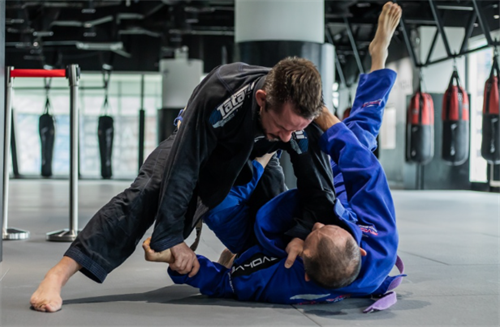
Brazilian jiu-jitsu is a martial art that constantly demands flexibility and adaptability. Unlike lifting weights, where the movement pattern is fixed, jiu-jitsu involves reacting to an opponent’s pressure, twisting, rolling, and bridging out of holds.
1. Dynamic Flexibility: Moves like guard recovery and hip escapes require your body to bend, twist, and extend under resistance.
2. Joint Health: Training teaches your joints to move safely in ranges of motion you rarely experience in the gym.
3. Functional Strength: You’re not just flexible—you’re flexible while resisting force, which directly improves athletic performance.
For strength trainers, jiu-jitsu is a reminder that strength without flexibility isn’t functional strength. Being able to move powerfully through different positions is the ultimate test of a well-rounded body.
Why Flexibility Benefits Strength Training?
Prioritizing flexibility doesn’t mean you’ll lose strength. In fact, it enhances it:
1. Better Technique: Deeper squats, fuller bench press ranges, and cleaner deadlifts all depend on mobile joints.
2. More Muscle Activation: Greater range of motion recruits more muscle fibers, leading to better growth.
3. Injury Prevention: Flexible muscles and joints are less likely to tear or strain under heavy loads.
4. Longevity: Flexibility keeps your body resilient so you can train hard for years without breaking down.
How to Add Flexibility Work to Your Routine?
You don’t need to choose between strength and flexibility—you can have both. Here’s how:
1. Warm-Up Mobility: Before lifting, do 5–10 minutes of dynamic stretches (leg swings, hip openers, arm circles) to prime your joints.
2. Yoga Sessions: Add one or two short yoga practices weekly. Even 20 minutes can make a difference.
3. Active Recovery: Use jiu-jitsu drills or flow rolling as recovery work to build mobility while staying active.
4. Post-Workout Stretching: Spend 5 minutes targeting the muscles you trained that day—hamstrings after deadlifts, chest after bench press, etc.
Consistency is key. Flexibility gains come gradually, just like strength.
Strength training builds the foundation of power, but flexibility makes that power usable and sustainable. Yoga teaches control, breath, and mobility, while jiu-jitsu applies flexibility in real-life, dynamic ways. For strength trainers, combining these practices doesn’t just prevent injuries—it enhances performance, balance, and overall athleticism.
Recommend:
Exploring New Fitness Communities: The Appeal of CrossFit, Yoga Communities, and Running Groups

Senior Fitness: The “Weightlifting” Lifestyle of the Senior Generation is Becoming Popular

Vegetarianism and Fitness: How to Build Muscle Efficiently Without Eating Meat
Breaking Plateau: 5 Advanced Training Techniques You Must Try