

For many fitness enthusiasts, the idea of building muscle immediately conjures images of steak, chicken breasts, or protein shakes loaded with whey. But more and more people are proving that you don’t need to eat meat to get strong, lean, and powerful. Vegetarian diets—when planned correctly—can support muscle growth, athletic performance, and overall health. The key lies in understanding protein sources, nutrient timing, and balanced nutrition.
The Protein Puzzle:
Protein is the building block of muscle. To gain or maintain muscle, your body needs sufficient protein to repair fibers after training. While meat is a concentrated source of protein, there are plenty of vegetarian options that provide the same benefits.
Top vegetarian protein sources:
-Legumes: Lentils, chickpeas, black beans, and kidney beans are rich in protein and fiber.
-Soy products: Tofu, tempeh, and edamame are complete proteins containing all essential amino acids.
-Dairy: Greek yogurt, cottage cheese, and milk are excellent sources of protein and calcium.
-Eggs: A versatile protein source packed with essential nutrients.
-Nuts and seeds: Almonds, peanuts, chia seeds, and hemp seeds offer protein, healthy fats, and micronutrients.
-Plant-based protein powders: Pea, rice, or soy protein powders can supplement dietary intake when needed.
For muscle growth, aim for around 1.6 to 2.2 grams of protein per kilogram of body weight per day. Spread your intake evenly across meals to maximize absorption and muscle protein synthesis.
Balancing Macronutrients:
Protein is essential, but carbohydrates and fats play equally important roles in fitness.
-Carbohydrates: Serve as your body’s primary fuel source. Whole grains, fruits, and starchy vegetables provide energy for workouts and recovery.
-Fats: Support hormone production, including testosterone and growth hormones crucial for muscle development. Sources like olive oil, avocado, nuts, and seeds help meet fat needs without over-relying on processed foods.
A balanced vegetarian plate ensures you get enough energy to push through intense workouts while supporting muscle repair and growth.
Nutrient Timing and Pre/Post-Workout Meals:
When you eat can be just as important as what you eat. Consuming protein and carbohydrates before and after exercise helps maximize performance and recovery.
-Pre-workout: A light meal or snack with protein and carbs, such as a banana with peanut butter or Greek yogurt with berries, provides energy without causing discomfort.
-Post-workout: Within 30–60 minutes of training, consume protein to aid muscle repair and carbs to replenish glycogen stores. Tofu stir-fry with quinoa or a protein smoothie with oats and soy milk works perfectly.
Strength Training: The Catalyst for Growth
Nutrition alone won’t build muscle. Progressive strength training is essential. Focus on compound movements—squats, deadlifts, push-ups, pull-ups, and bench presses—that recruit multiple muscle groups. Gradually increase resistance or repetitions to challenge your muscles, and pair your workouts with adequate recovery to allow growth.
Common Vegetarian Pitfalls and How to Avoid Them
-Incomplete protein variety: Most plant proteins lack one or more essential amino acids. Combine sources—like beans with rice or hummus with whole-grain bread—to ensure complete amino acid intake.
-Micronutrient deficiencies: Iron, vitamin B12, and zinc are less abundant in plant-based diets. Consider fortified foods or supplements if needed.
-Caloric intake: Plant-based foods are often lower in calories. To gain muscle, make sure you’re eating enough to support growth.
Vegetarianism doesn’t limit muscle-building potential—it simply requires smarter planning. By focusing on complete protein sources, balanced macronutrients, and strategic nutrient timing, vegetarians can achieve the same strength, tone, and muscle gains as their omnivorous counterparts.
The key is consistency: eating well, training regularly, and paying attention to recovery. With the right approach, a vegetarian diet can support not just muscle growth, but long-term health, energy, and overall athletic performance.
Building muscle without meat isn’t just possible—it can be incredibly effective, empowering, and sustainable.
Recommend:
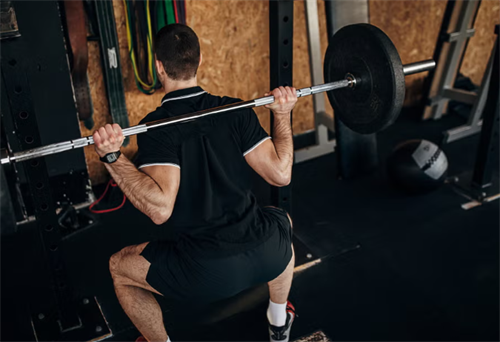
Building Strong Legs: The Technical Differences Between High-Bar and Low-Bar Squats
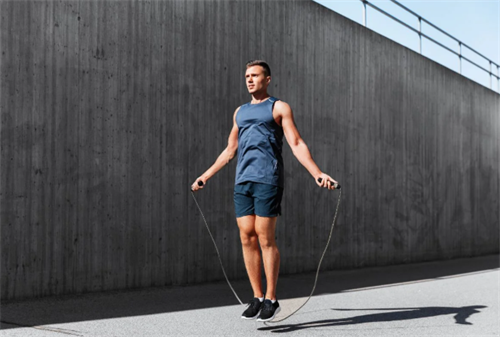
Not-to-be-Missed Small Equipment: Jump Rope, Battle Rope and Medicine Ball Training Secrets
How to Train Your Chest Without Making Your Hands Thick?

The Savior for Shoulder and Neck Pain: Strengthening the Rhomboid Muscles and Middle-Lower Trapezius Muscles